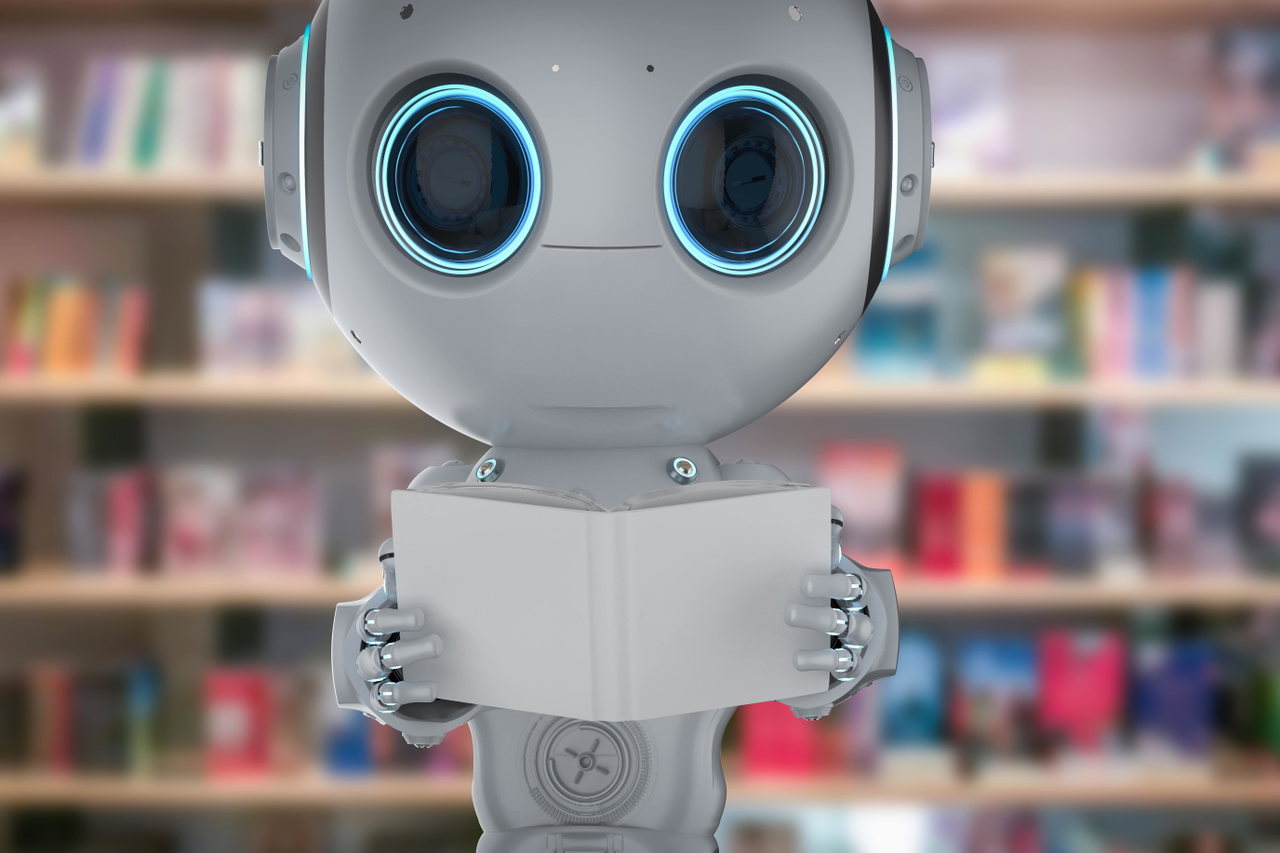
“They want to feed a machine with our souls”
Voice actress Katrin Fröhlich on the reality of her industry in the age of AI
Published: 1 September 2026 | Photo / Video: AI-generated, Freepik
Emotion, depth and 50 years’ professional experience cannot be programmed: for Katrin Fröhlich, the German voice of Cameron Diaz and Gwyneth Paltrow, the rise of artificial intelligence in the dubbing studio is not merely a technological shift – it is an attack on the very heart of an entire culture. In this interview, the renowned voice actress and director talks about the eerie feeling associated with AI voices, the impossibility of fairly valuing one’s own artistic soul, and why the dubbing industry’s struggle for survival can only be won through solidarity.
Synthetic voices and automated dubbing systems are becoming increasingly sophisticated. What impact are you already noticing in your day-to-day work – and where do you draw the line between AI as a tool and AI as an existential threat?
There’s an artist in America who uses AI to create beautiful cinematic and musical fantasy worlds. To me, that’s art, because it doesn’t pull the wool over my eyes – I know full well that it’s AI. With everything else, however, I find myself increasingly questioning every video and every voice, because I no longer feel sure of anything. Talk about rabbits on a trampoline! Nature, every creature within it, and life itself are far too beautiful and unique to be – or to be allowed to be – replaced by AI!
AI-generated voices are becoming more technically convincing. In your experience, where do the limitations lie – in emotion, timing or interpretation? And does the audience notice the difference?
Unfortunately, I can’t speak for the entire audience, but I certainly notice it – or at least I hope I do. Perhaps I’ve already fallen for it myself! In my opinion, it lacks all of the above! It’s too formulaic; it lacks depth, individuality and emotion! They know that too, which is precisely why they’re after our votes!
The dispute over the Netflix AOR agreement has sent shockwaves through the industry – AI training using voice recordings, remuneration, and personal rights. At the same time, the view is that the technology is coming anyway. How do you assess the current contractual situation, and what specifically should a fair framework include?
They want everything from us! Our unique voices, our dubbing skills! Our personalities! They want to feed a machine with our souls. I can’t imagine what a fair deal would look like! How much am I worth? After 50 years’ professional experience, I can play any part, virtually at the touch of a button. I cry, laugh, rage, scream! There’s always a part of me that goes into it, which I hope will captivate the audience. That makes them laugh or cry. How much is that worth if I give it to a machine? I don’t have an answer to that!
Do you use AI applications yourself? And how do you balance the desire to protect your own voice with the reality of working in an industry that is changing rapidly in terms of technology?
None of us is demonising AI! Of course, this development is unstoppable! When I need a translation from Urdu, I ask ChatGPT too, even though I never feel entirely comfortable doing so. But this has nothing to do with the evolution from gas lamps to electric lamps; rather, it’s about the eradication of an entire culture and the loss of many jobs. After all, this also affects dubbing companies and everyone who works there. Who will need dubbing companies if dubbing is no longer done?
Netflix and Amazon hold patents for fully automated dubbing systems. At the same time, the protest shows that audiences are attached to human voices. Where do you see your profession in five years’ time – and what role will new remuneration models, the legal framework and organised representation of interests play?
Will they still let me work at the till at Aldi when I’m 57? I’ve no idea! In five years’ time, I’d actually still like to be standing in front of the microphone, breathing life into foreign actresses with joy and passion! But that will only be possible thanks to organisations like the VDS! And thanks to absolute solidarity! And right now, that solidarity is truly immense and admirable!
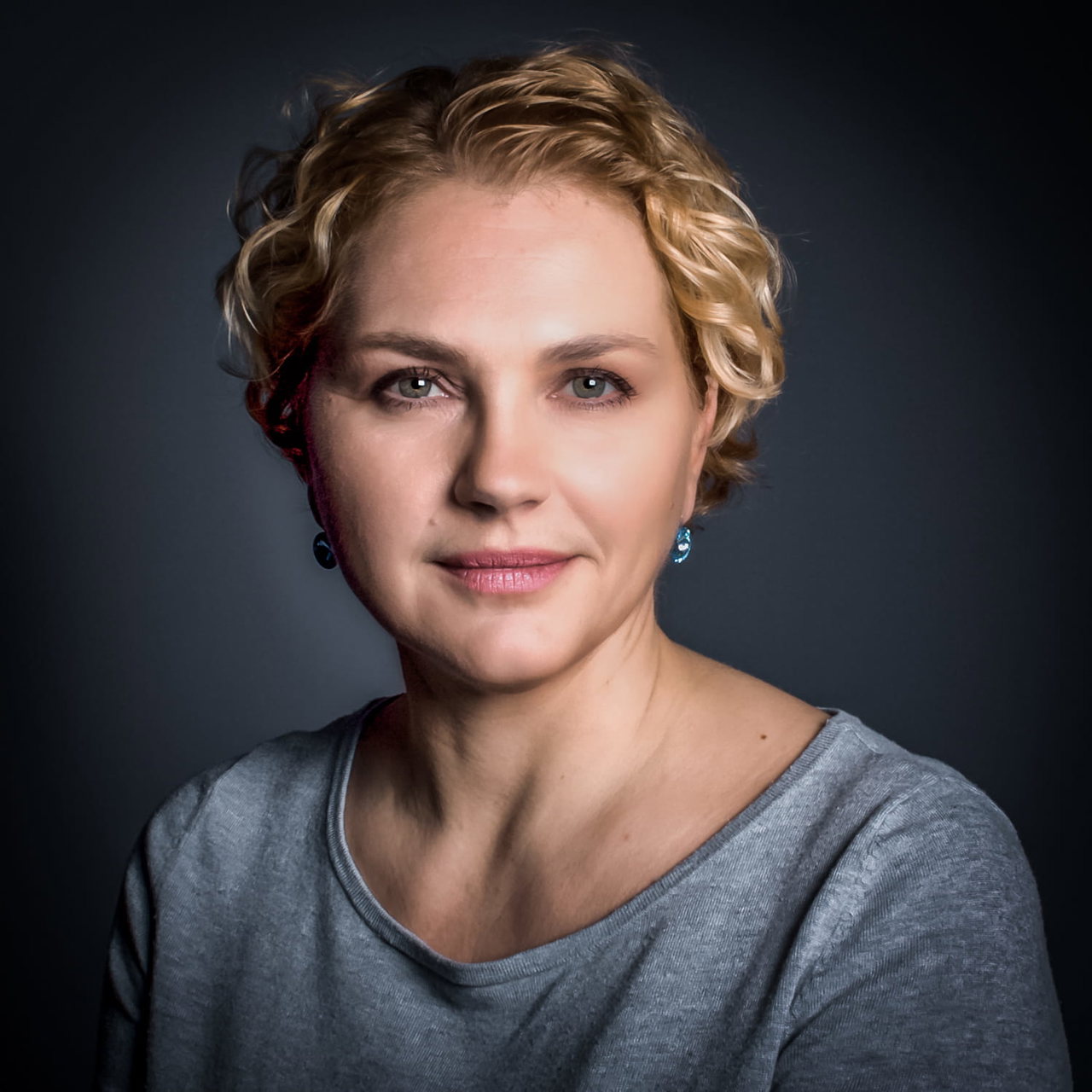
Katrin Fröhlich is the German voice of Cameron Diaz, Gwyneth Paltrow, Mary Louise Parker and others. Over the past fifty years, she has dubbed over 900 roles, including Sophie Kuchinsky in *Two Broke Girls* and Shego from *Kim Possible*. She has also been a dubbing director and scriptwriter for the past 26 years.
She is committed to promoting the interests of the sector in the Association of German Voice-Over Artists (VDS), which campaigns for fair working conditions and the protection of voice-over artists’ rights in the age of artificial intelligence.